Acne Patch OEM: The Complete Private Label Guide
An acne patch OEM project with Henso starts at 1,000 units, with samples in 7–10 days and mass production in 25–35 days. We manufacture hydrocolloid, microneedle and printed patches in a U.S. FDA-registered facility (FEI 3012706495) certified to ISO 13485 (Cert. 69136), and ship to 29+ countries.
This guide covers what actually decides whether a private label acne patch line succeeds: how OEM, ODM and white label differ, what you can and cannot customize, which certifications US and EU buyers ask for, how MOQ and tooling costs work, and the timeline from brief to shelf.
01Why Are Acne Patches a Golden Opportunity for Private Label?
The anti-acne dermal patch market is on a significant upward trajectory. Market analyses project the market size to grow substantially, with some estimates suggesting it could reach nearly one billion dollars by the early 2030s. This growth is fueled by several key factors:
- High Consumer Demand: Consumers, particularly Gen Z and millennials, are more informed about skincare than ever. They seek convenient, targeted solutions that deliver visible results without harsh side effects.
- Social Media Visibility: Platforms like TikTok and Instagram have de-stigmatized acne care. Patches are often worn openly, turning a skincare treatment into a fashion statement and driving viral trends.
- Proven Efficacy: The core technology, hydrocolloid, has a long history in medical wound care for its ability to create a moist healing environment and absorb impurities.
- Strong Profit Margins: Private labeling allows brands to control pricing and achieve higher profit margins compared to reselling existing products.
02Understanding OEM vs. ODM vs. Private Label
When entering the world of manufacturing, you'll encounter a few key acronyms. Understanding them is crucial for choosing the right partnership model for your brand.
| Term | Definition | Best For | Control Level |
|---|---|---|---|
| OEM (Original Equipment Manufacturer) | You provide the product design and specifications, and the factory manufactures it for you. | Brands with a unique product concept and R&D capabilities. | High |
| ODM (Original Design Manufacturer) | The factory offers pre-designed products that you can brand as your own, with minor modifications. | Brands wanting a fast market entry with a proven product formula. | Medium |
| Private Label | A broad term that often overlaps with ODM, where you select a stock product from a manufacturer and sell it under your brand name. | Startups, e-commerce stores, and spas looking for a turnkey solution. | Low to Medium |
For acne patches, a hybrid OEM/Private Label approach is common. A manufacturer will offer a base hydrocolloid or microneedle patch that you can then customize with specific ingredients, shapes, and packaging.
compare OEM, ODM and private label manufacturing options
03The Core Technology: How Do Hydrocolloid Patches Work?
The magic behind most acne patches is hydrocolloid, a material made of gel-forming agents like pectin or carboxymethylcellulose. Originally used in medical settings for wound dressing, its benefits translate perfectly to acne care.
When a hydrocolloid patch is placed over a blemish, it does several things:
- Absorbs Impurities: It gently draws out fluid, pus, and oil from the pimple. This is why the patch turns white.
- Creates a Moist Healing Environment: By locking in moisture, it accelerates the skin's natural healing process and helps prevent scabbing, which can reduce the risk of scarring.
- Provides a Protective Barrier: It shields the blemish from external bacteria, dirt, and picking fingers, preventing further irritation and infection.
04Key Ingredients to Supercharge Your Acne Patches
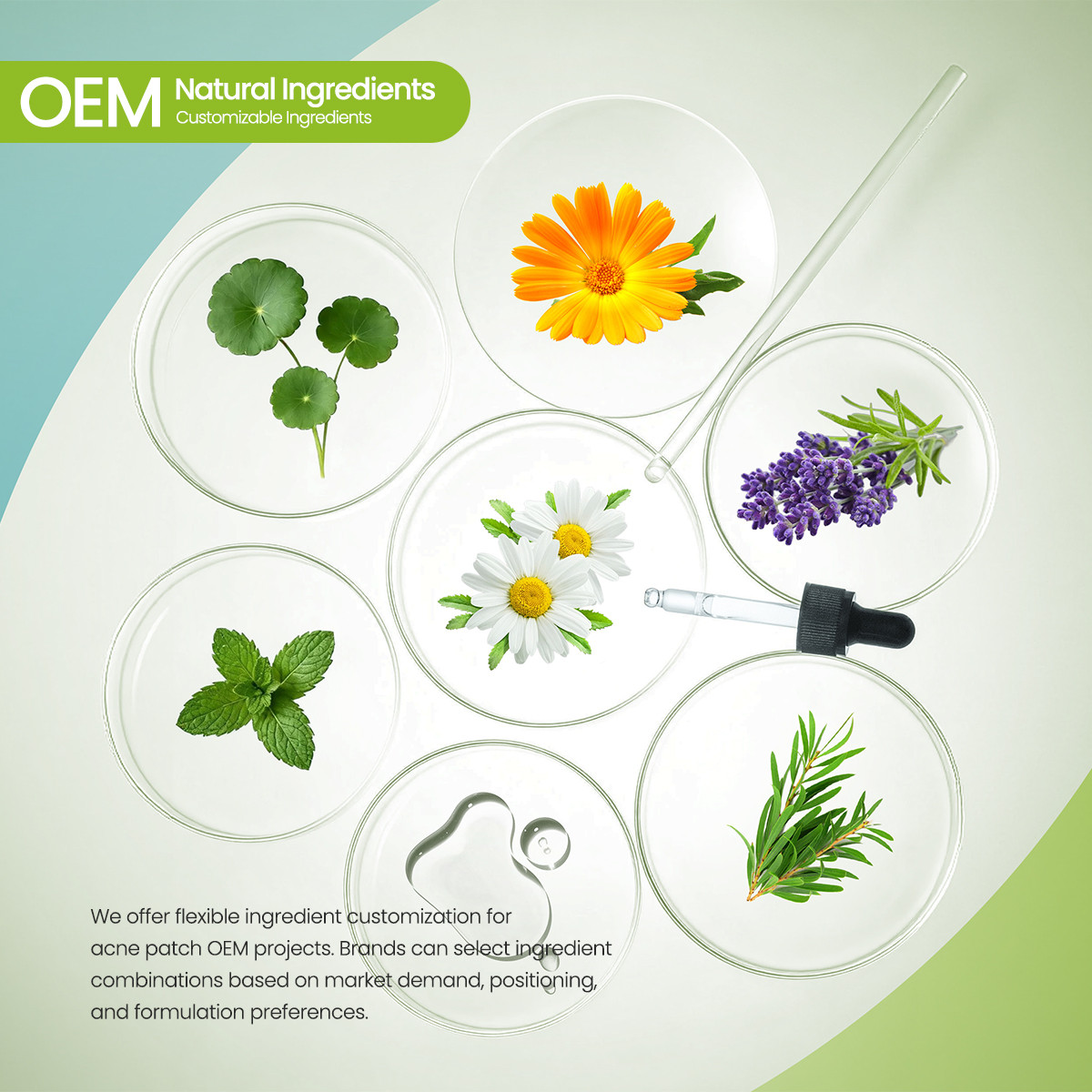
While basic hydrocolloid is effective on its own, adding active ingredients can create a more powerful, targeted product that stands out in the market. Many OEM suppliers offer custom formulation services. Popular additions include:
- Salicylic Acid: A beta-hydroxy acid (BHA) that exfoliates inside the pore to clear out congestion.
- Tea Tree Oil: Known for its natural antimicrobial and anti-inflammatory properties.
- Niacinamide: Helps reduce redness, regulate oil production, and improve the appearance of post-acne marks.
- Centella Asiatica (Cica): A botanical extract famous for its soothing and wound-healing capabilities.
- Hyaluronic Acid: Helps to hydrate the surrounding skin, preventing over-drying.
05Step-by-Step: The Acne Patch OEM Journey from Concept to Customer
Bringing your private label acne patch to life involves a structured process. A good manufacturing partner will guide you through each stage:
- Consultation & Strategy: Define your target audience, brand positioning, and desired product features.
- Formulation & Customization: Choose your patch type (e.g., hydrocolloid, microneedle), size, shape, and active ingredients.
- Sample Testing: Always request samples to evaluate performance, adhesion, thickness, and skin feel before committing to a large order.
- Packaging & Brand Design: Work with your supplier to design custom packaging—from the individual sachets to the outer retail box—that reflects your brand identity.
- Production & Quality Control: Once you approve the final sample, mass production begins. The factory should adhere to strict quality control standards.
- Shipping & Logistics: The manufacturer prepares the finished goods for shipment to your warehouse or fulfillment center.
06Crucial Factors When Choosing an OEM Manufacturer
Your choice of manufacturer is the single most important decision you will make. A reliable partner ensures product quality, safety, and supply chain stability. Look for these key attributes:
- Certifications: The factory must have essential certifications like ISO 22716 (GMP for Cosmetics) and preferably ISO 13485 (Medical Devices), which indicates a higher standard of quality control. FDA or CE registration is critical for exporting to the US or EU.
- Production Capacity: Ensure they can handle your order volume, both now and as you scale. Ask about their production facility size and on-time delivery rates.
- R&D Capabilities: A strong R&D team can help you innovate with custom formulations and new technologies like dissolvable microneedle patches.
- Transparency & Communication: A good partner is transparent about their process, pricing, and material sourcing, and they respond to your queries in a timely manner.
07Unleash Your Brand: A World of Customization Options
Differentiation is key in a competitive market. Top-tier OEM suppliers offer extensive customization to make your product unique:
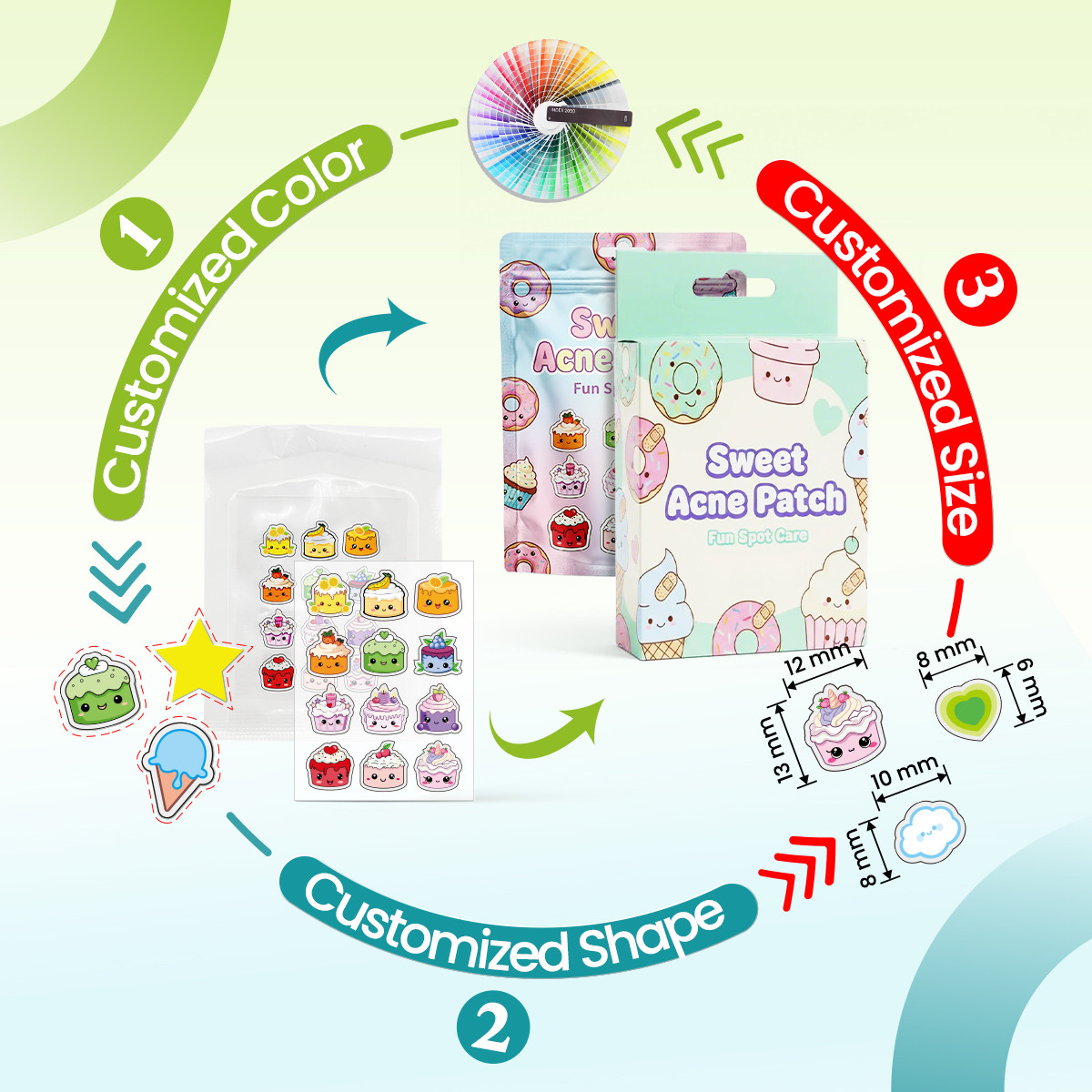
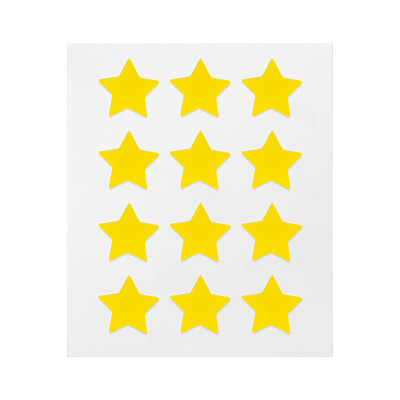
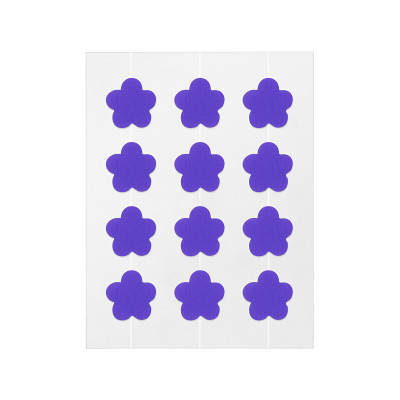
- Shapes and Sizes: Go beyond the standard circle. Offer stars, hearts, or wide-coverage patches for larger breakout zones.
- Thickness: Choose from ultra-thin, nearly invisible patches for daytime use to thicker patches for overnight treatment.
- Color and Printing: Some manufacturers can print logos or simple designs directly onto the patches.
- Packaging: Select from zip-lock sachets, blister packs, and custom-printed boxes. Consider eco-friendly materials to appeal to conscious consumers.
08Navigating the Maze: Certifications and Regulatory Compliance
Acne patches are considered cosmetic or quasi-medical products, depending on the active ingredients and marketing claims. A reputable manufacturer will help you navigate the regulatory landscape.
- USA: If your patch contains an FDA-approved drug like salicylic acid, it must be produced in an FDA-registered facility and comply with Over-The-Counter (OTC) regulations.
- EU: Products sold in the European Union must have a Cosmetic Product Safety Report (CPSR) and be registered on the CPNP portal.
- General Safety: Always request a Material Safety Data Sheet (MSDS) and dermatological testing reports to ensure your product is safe and non-irritating.
review our FDA registration and ISO 13485 certification
09Understanding MOQ and Pricing in Acne Patch Manufacturing
Minimum Order Quantity (MOQ) is the smallest order a factory will accept. For acne patches, MOQs can range from a few thousand units to tens of thousands of sachets, depending on the supplier and level of customization.
While a lower MOQ is attractive for startups, it often comes with a higher per-unit cost. As your order volume increases, your cost per unit will decrease. When requesting a quote, ensure it includes all costs: the patches, the primary packaging (sachet), the secondary packaging (box), and any customization fees.
see our current acne patch range and MOQ
10Designing Packaging That Sells
Your packaging is your product's first impression. It needs to be not only attractive but also functional and informative.
- Grab Attention: Use bold colors, clean graphics, and a clear brand logo that stands out on a shelf or in an online store.
- Communicate Benefits: Clearly state what the product does (e.g., "Absorbs Gunk," "Reduces Redness," "Invisible Daytime Wear").
- Provide Clear Instructions: Use simple graphics and text to show customers how to properly apply and remove the patches.
- Be Functional: Zip-lock sachets are popular because they keep unused patches clean and protected.